
Phantom Interlocutors
Katie Paine, Cameron Hurst
12–29 Oct 2022
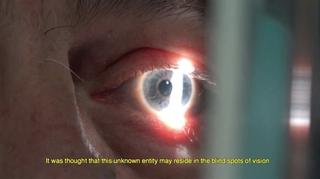
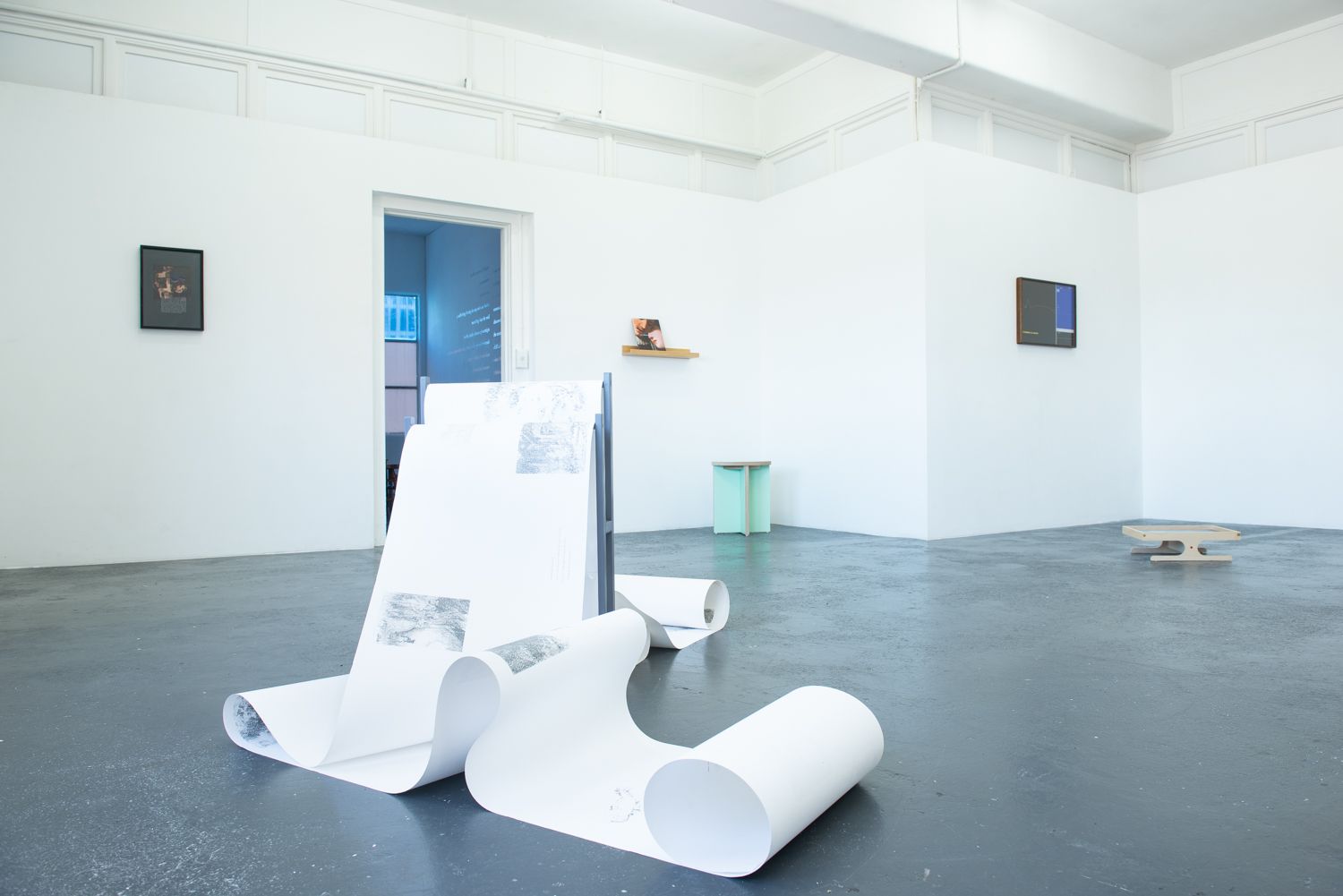
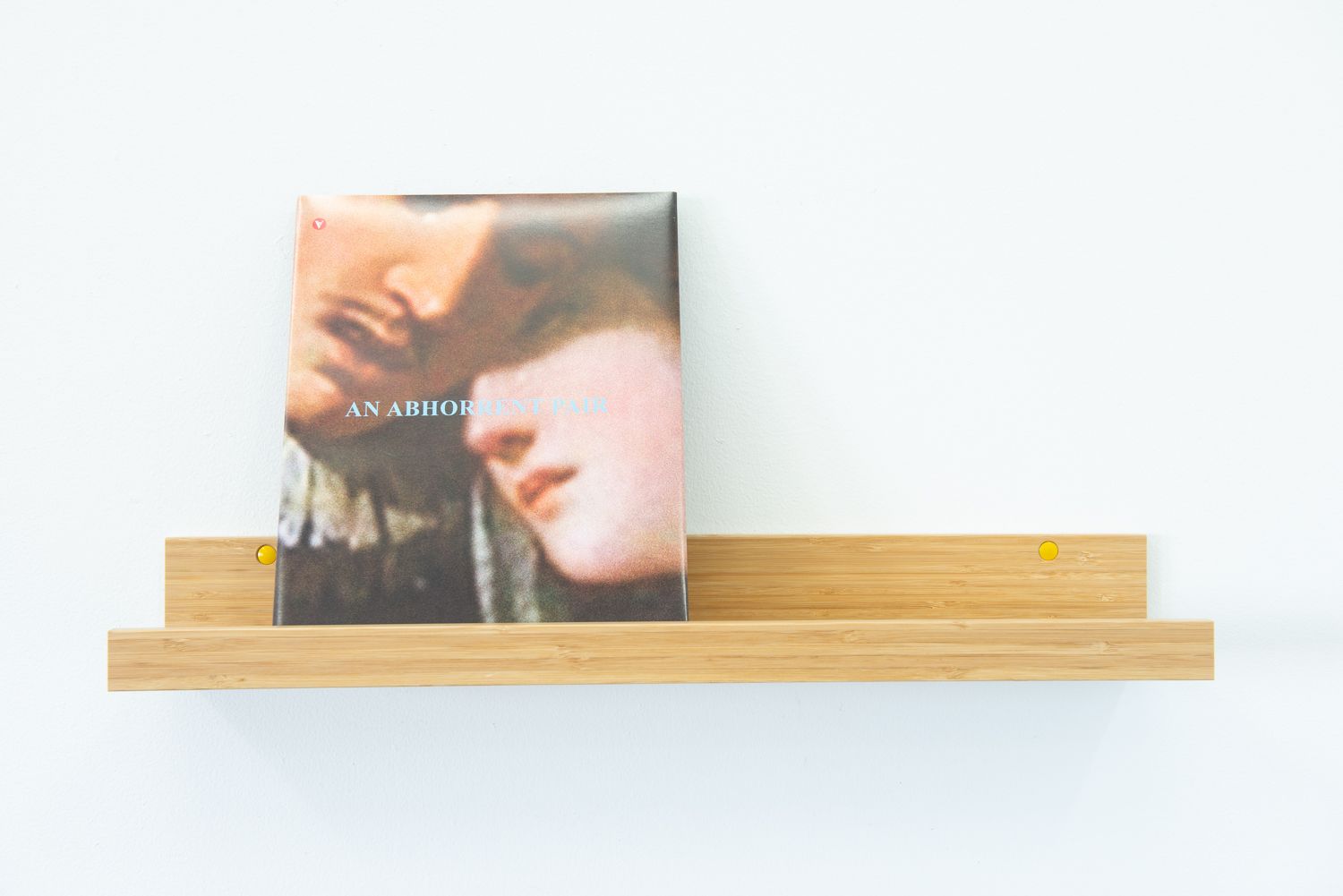
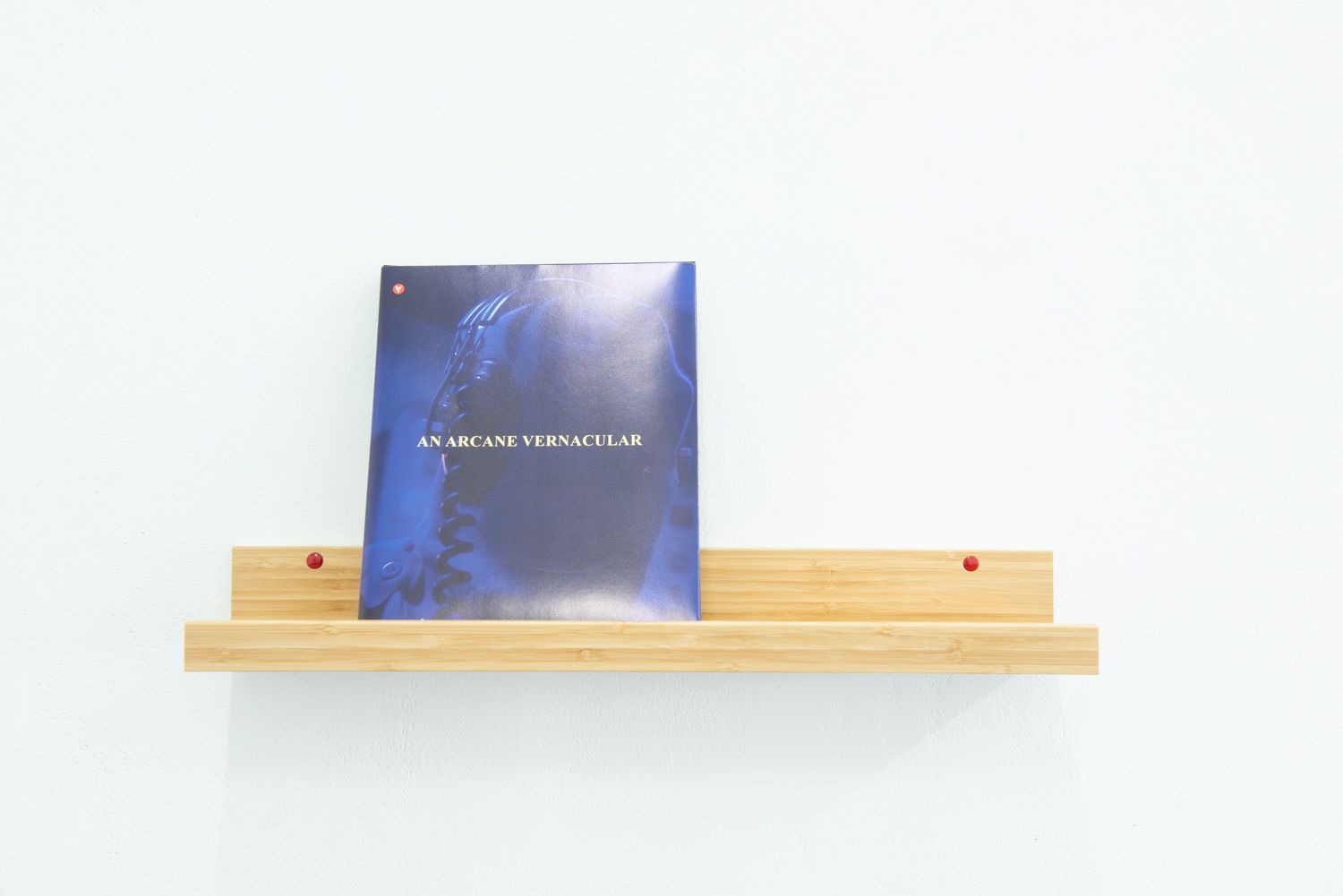
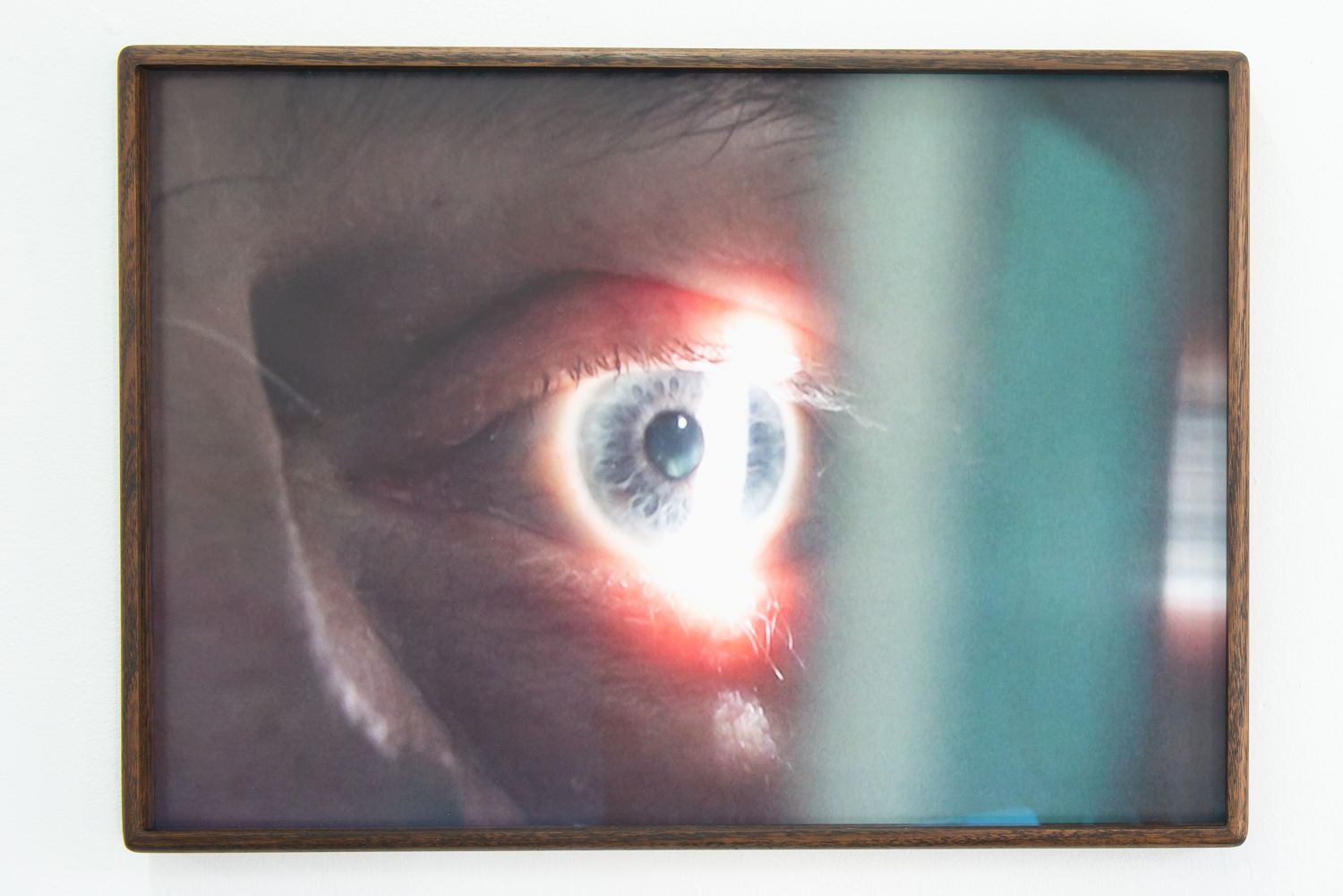
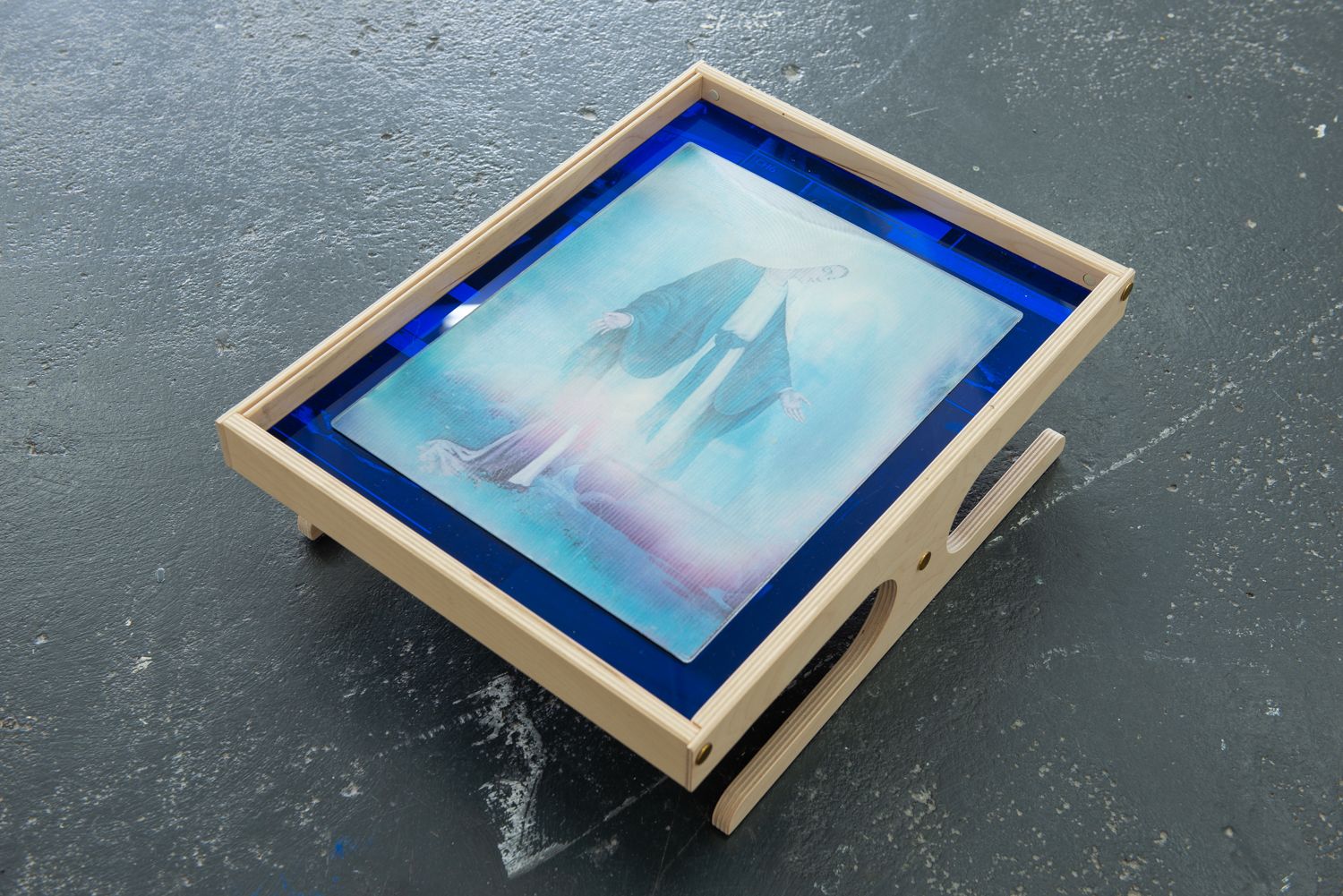
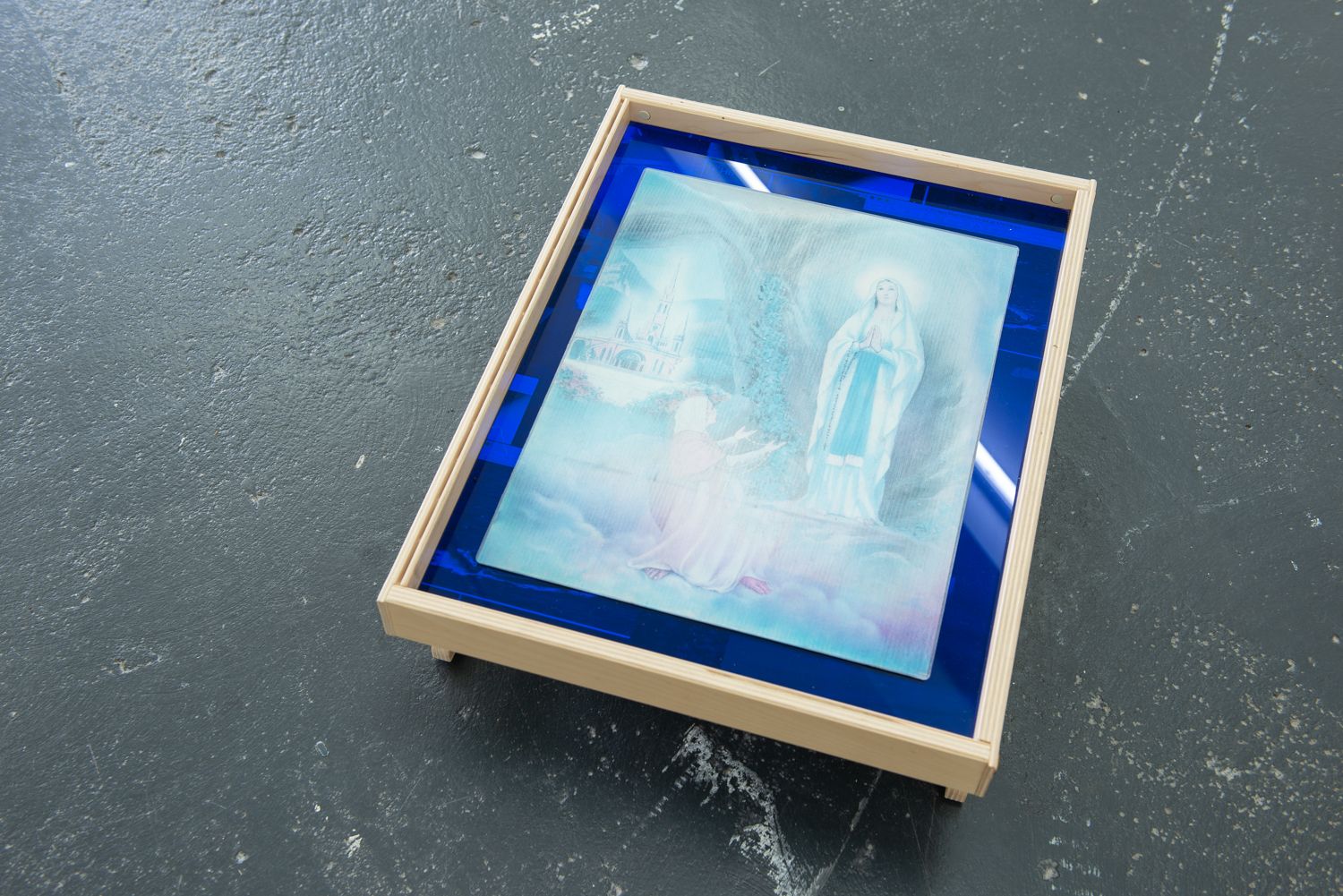
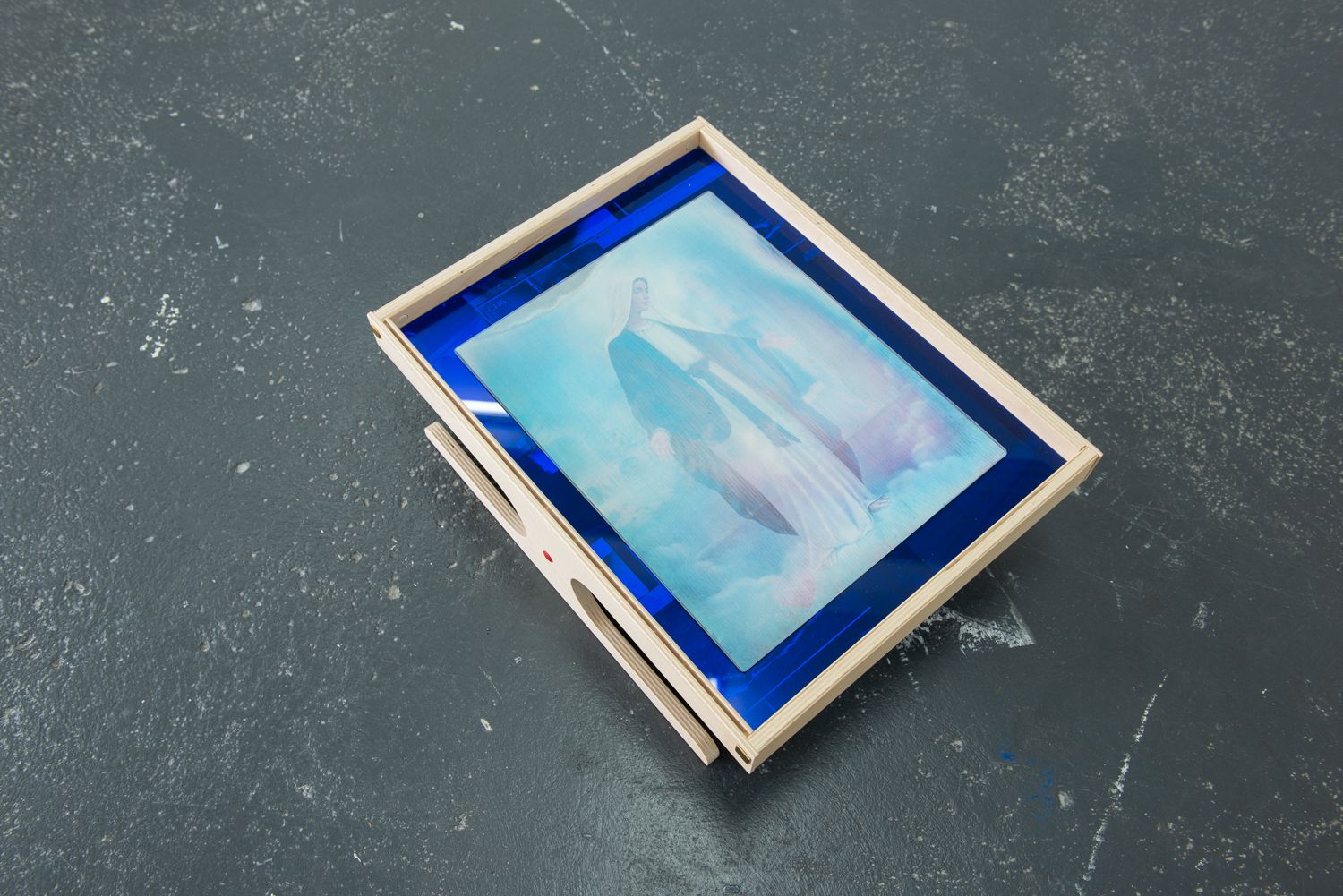
The fleshy chamber of the retina is scanned for the flicker of a ghostly ectoplasm, a research team is plagued by a mysterious illness. An unusual manuscript is saved from a mass book burning and a water-damaged Catholic souvenir depicts a wavering image of the Madonna.
We use systems of knowledge to perceive and understand the world and yet these stories depict failed encounters. Discourses such as history or science appear to render the pandemonium of existence into concrete fact but within these systems there are fissures. Something slips through the cracks: ideas, memories and experiences that cannot be contained drift out in the world to create new narratives. This exhibition uses speculative fiction to tell stories of absences, of what cannot be seen in interstitial spaces. In 1993 in his book Spectres of Marx, French Philosopher Jacques Derrida conceived of the term ‘hauntology’, exploring the notion that ideas and knowledge could haunt one another throughout time. Phantom Interlocutors contemplates hauntology: presenting spectral encounters imbued with the melancholy that accompanies absence.
Nicholas Building Grimoire [excerpt #645673, accessed 10/10/2022]
You knock on the door of the art historian’s office. The door is at the end of a grey carpet corridor, dark, bracketed by lockers that will soon be the subject of a faculty email warning of their impending decommission:
SESSIONAL STAFF: If you are currently using these lockers to store study, work or personal items please can you remove your belongings or relocate them to level 2 by close of business Thursday 6 October 2022. If you have any concerns about the decommissioning of these lockers please contact [redacted].
You do have concerns but intuit that voicing them will not stop progress. Instead, you opt to promptly remove your books and miso soup sachets.
Back to the door. You knock; the art historian makes a muffled noise of assent. You may enter.
He’s in his late 60s and sits with eyes half-closed at an old desk, wearing a knitted beanie. The lights are off. The room is barely illuminated by two windows facing the grey sky to the north. There are shelves stacked with art history books on each opposing wall and piles of papers on the desk. You take a seat. A few sentences pass slowly between you. What feels like a long time goes by. You wonder if you are an unworthy moron, if the art historian may be senile, or both. It turns out he isn’t senile; at the advent of an interesting topic, he slowly rises from his seat, opens his laptop and turns the screen towards you.
Bright light streams out from the computer. His eyes blink open. In the cluttered dim, the screen displays folder after folder of meticulously downloaded and catalogued images—Amazonian bronze sculptures, silver gelatin prints of 1930s Australian beach scenes, fin de siècle painters’ studios and yellowing pamphlets stamped with modernist fonts. You are impressed. To evade the ever-advancing minions of educational bureaucracy and accrue a collection of pictures of this auratic value takes great skill.
Images are a currency. A folder is a bank. Some people are so poor all they have is money. Other people are JPEG millionaires (rich in poor images, as the artist Hito Steyerl might say). The art historian is one of the latter kinds of people. Katie Paine is too.
Paine is an alchemist, a historical predecessor for “artist.” She may also be the patron saint of Blindside (this week at least).
You are sitting in a lecture on witchcraft in early modern England. Young students swivel open the greasy desks attached to their chairs and alternate between note taking and watching TikToks on silent. A university website tells you that the lecturer’s “2015 article on sexual relations between witches and devils has been labelled as the definitive piece on the issue.” As such, you trust her expertise.
The lecturer says that in 1648, a particularly frenzied year of witchcraft accusations, a male witch in Suffolk made a confession memorable for its unusual set of familiars. Archival evidence documenting the witch’s evil relations with the Devil survives. Every night for years, he left his marital bed, lay down by the open fire in his living quarters and allowed six snail familiars to suckle at his side. The confession document lists their names: Sydrake, Jeffry, Peter, Ayleward, Sacara and Pyman.
Lists have always been a good way to keep track of things. To taxonomise is to organise information into legible systems of knowledge, often hierarchically, always in accordance with power.
Based on the truth value of demon snail evidence in seventeenth century England, the male witch was likely killed. Recently, a psychoanalyst acquaintance observed that the poor bloke probably had psychosis. How do you know if the information you’re putting into power-knowledge structures is legitimate? Is there perverse pleasure to be had in the reinsertion of the weird and the occult into Enlightenment facts and logic?
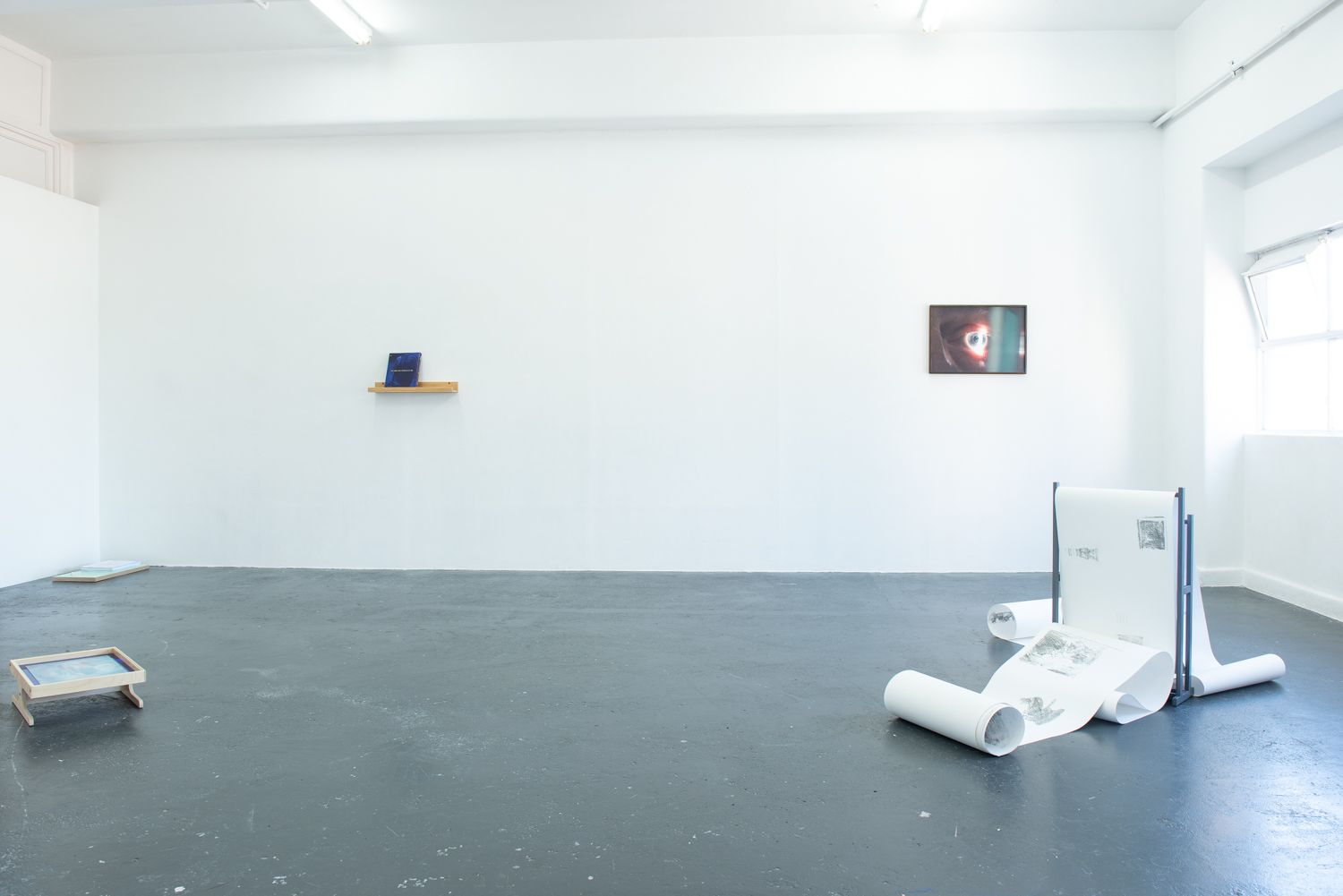
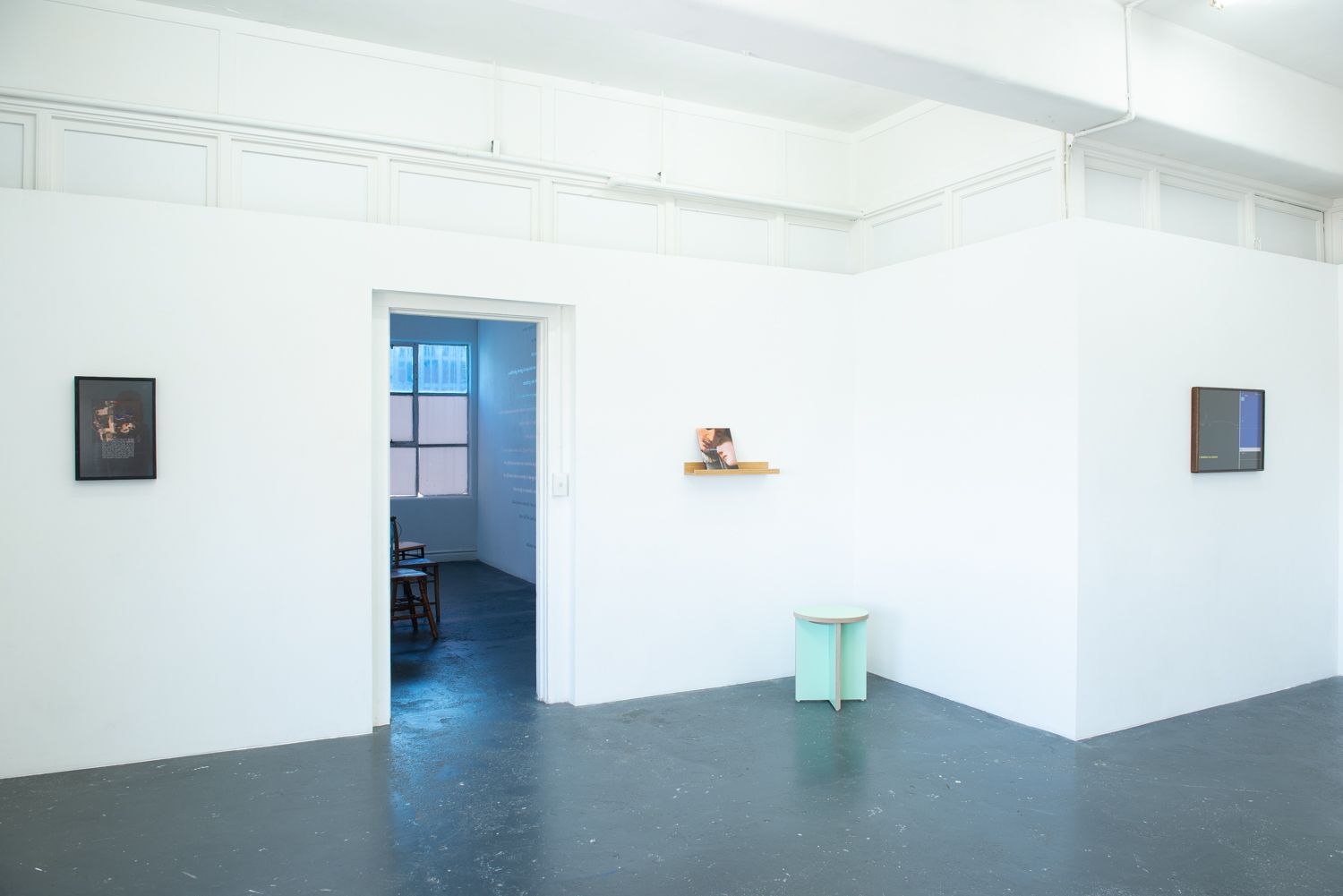
In Phantom Interlocutors, Paine presents artworks created over the past three years of a Master’s degree at the Victorian College of the Arts. The exhibition marries mediaeval mysticism with the humdrum efficacy of the institutional. That this union is unusual makes it all the more compelling.
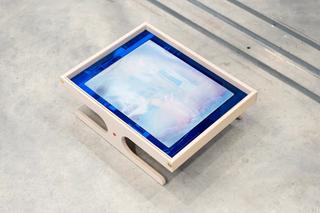
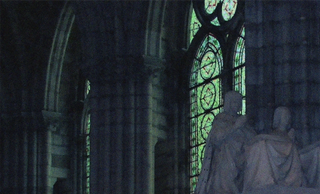
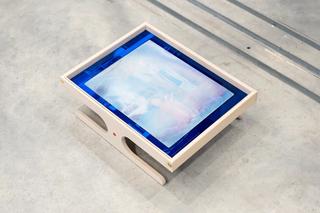
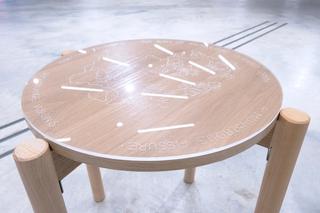
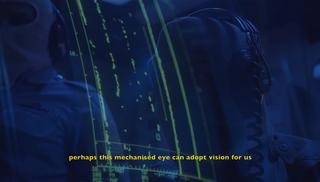
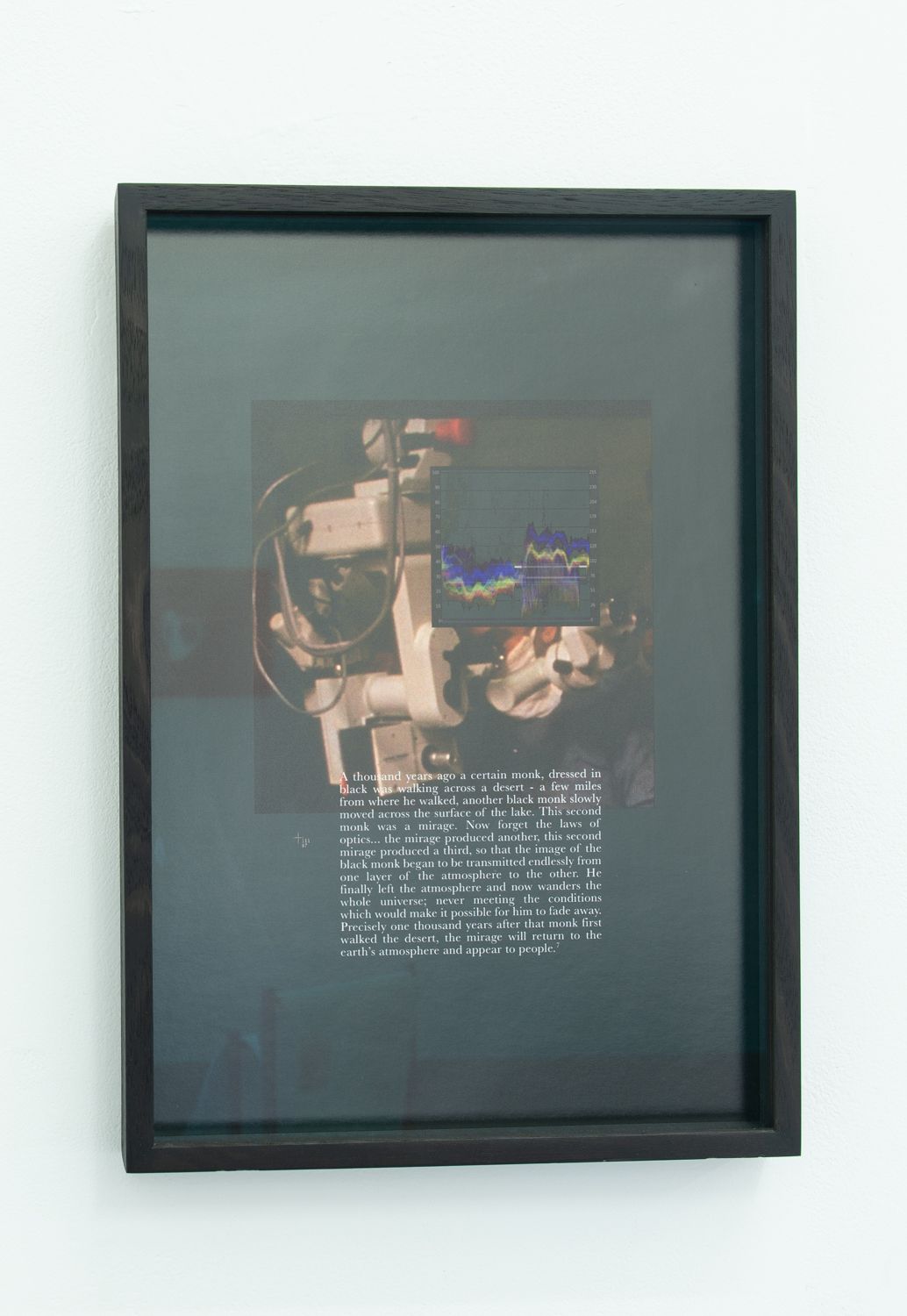
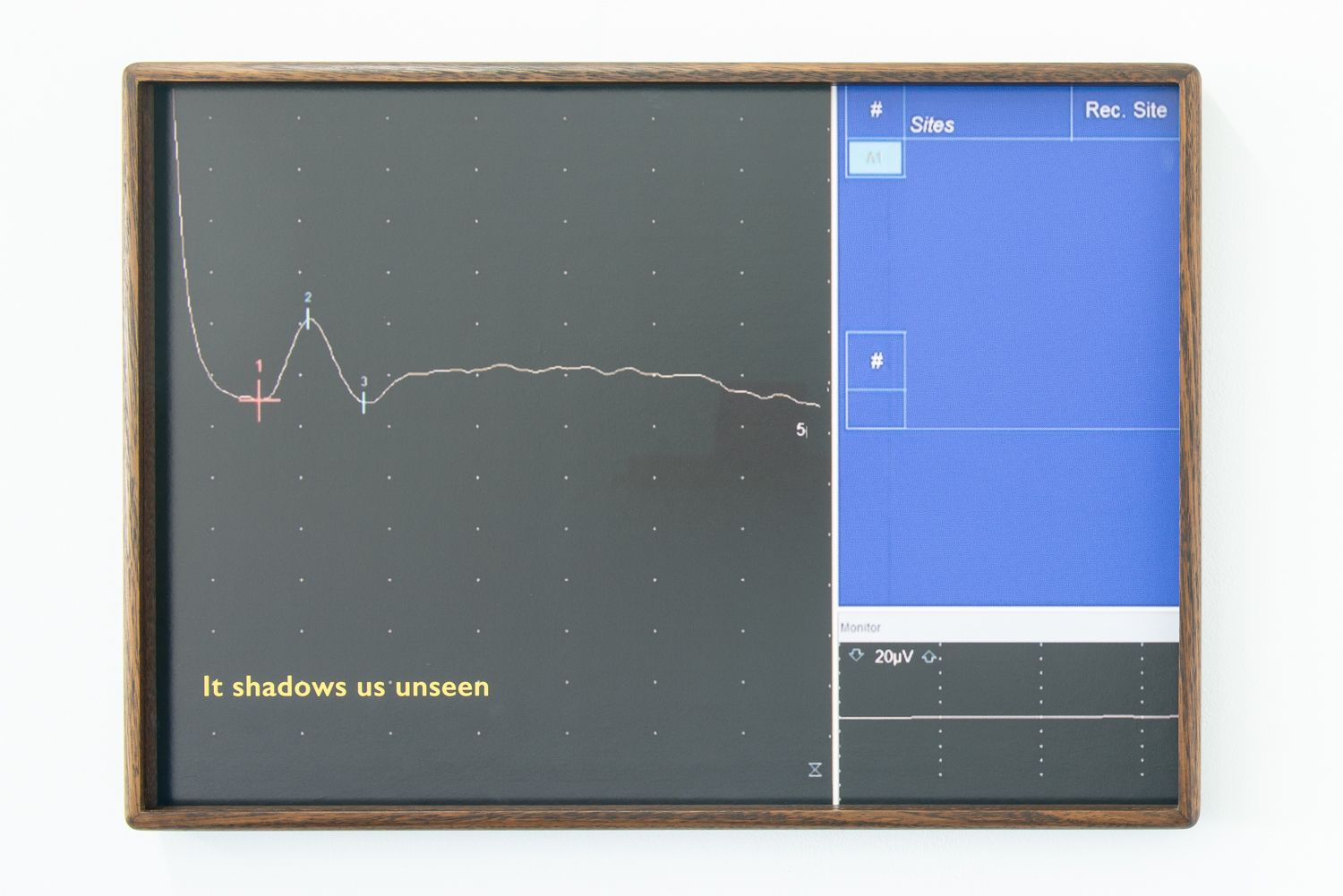
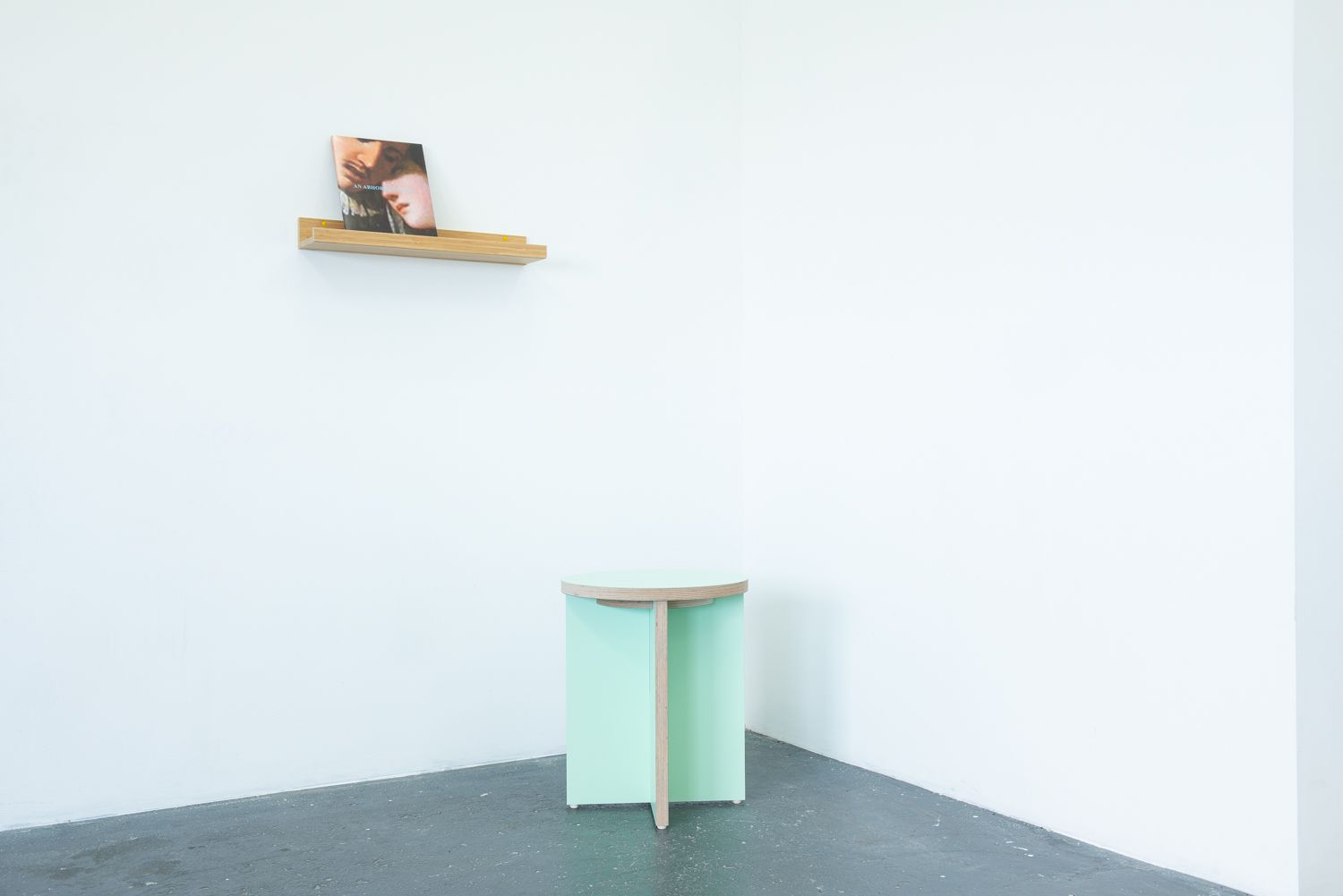
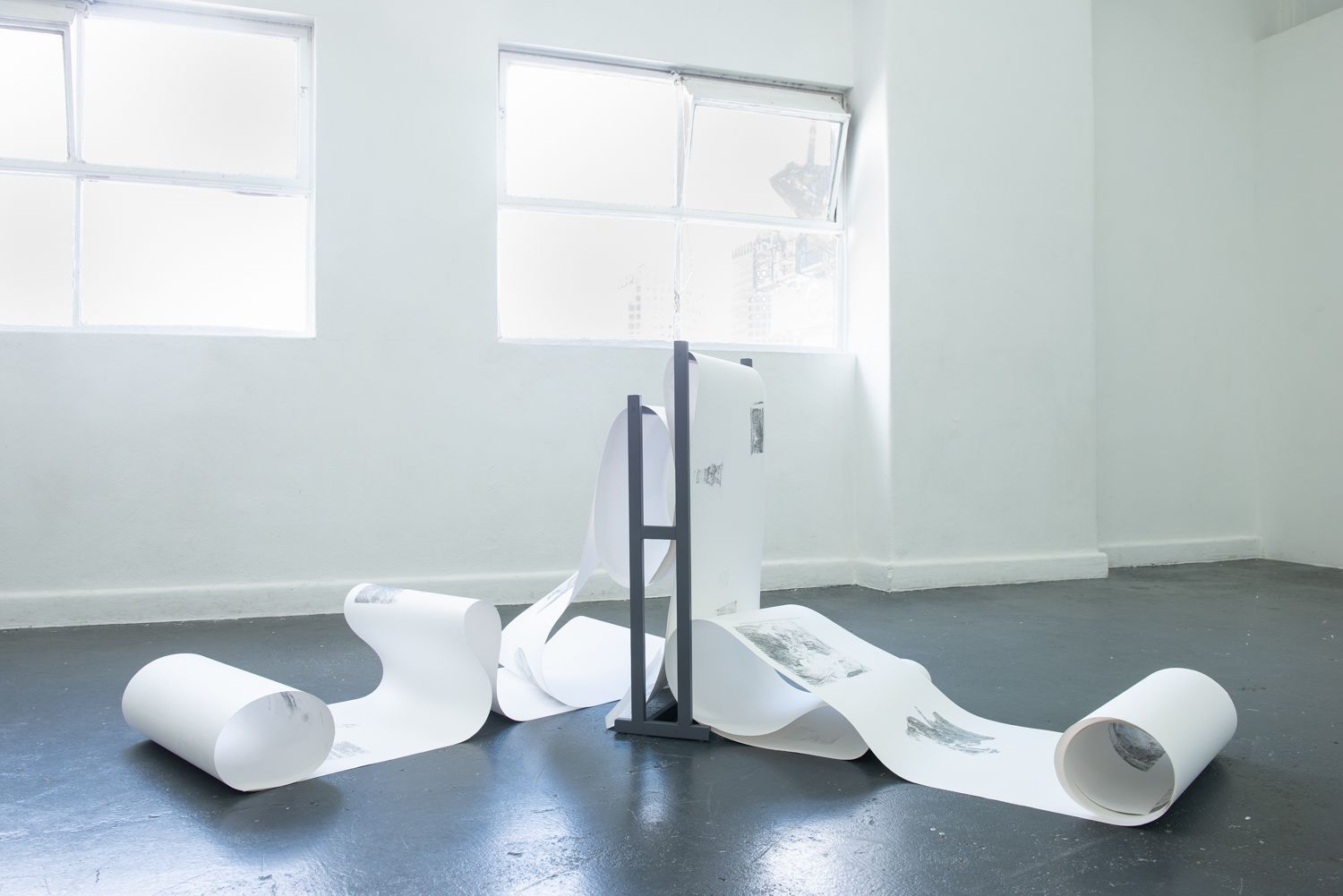
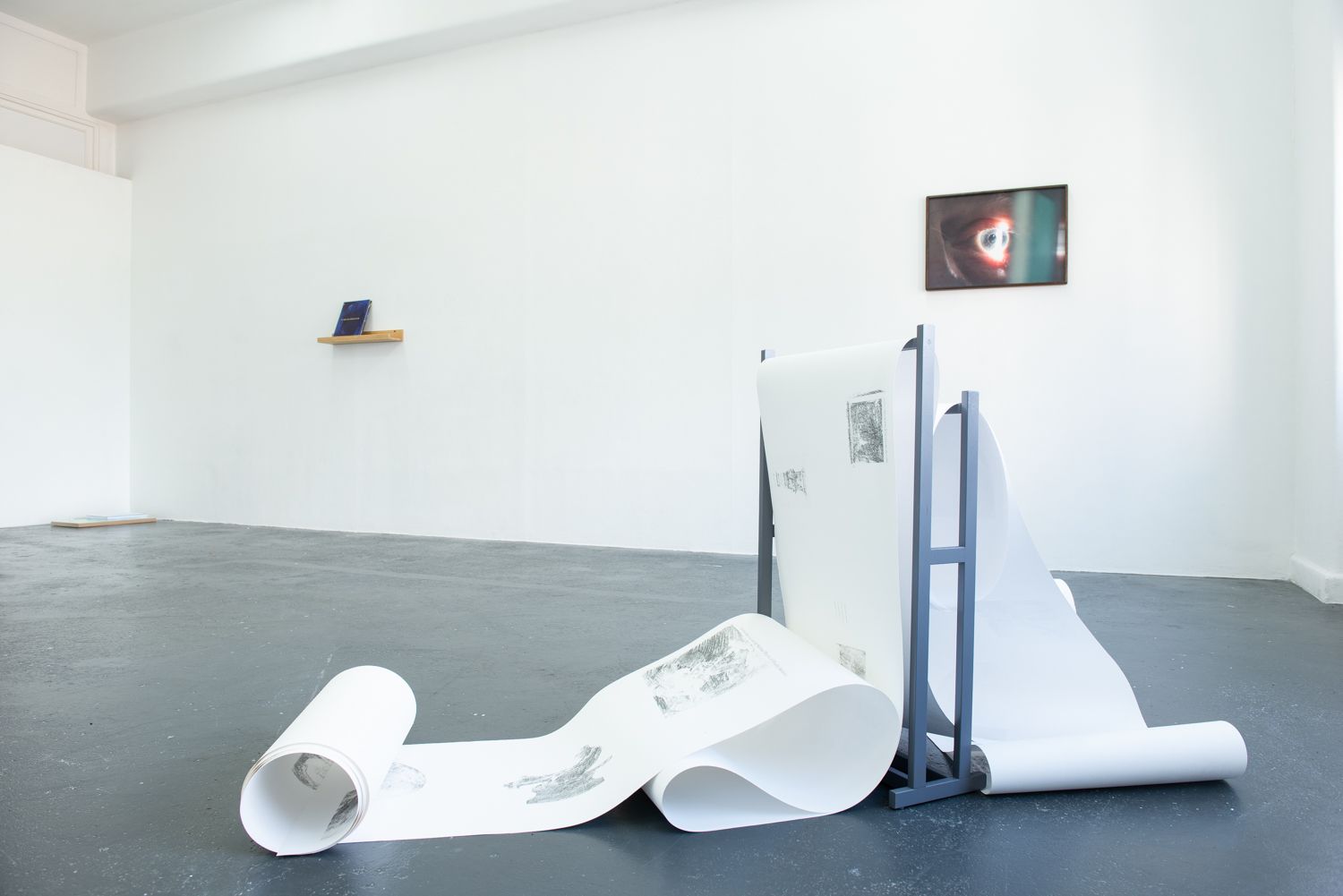
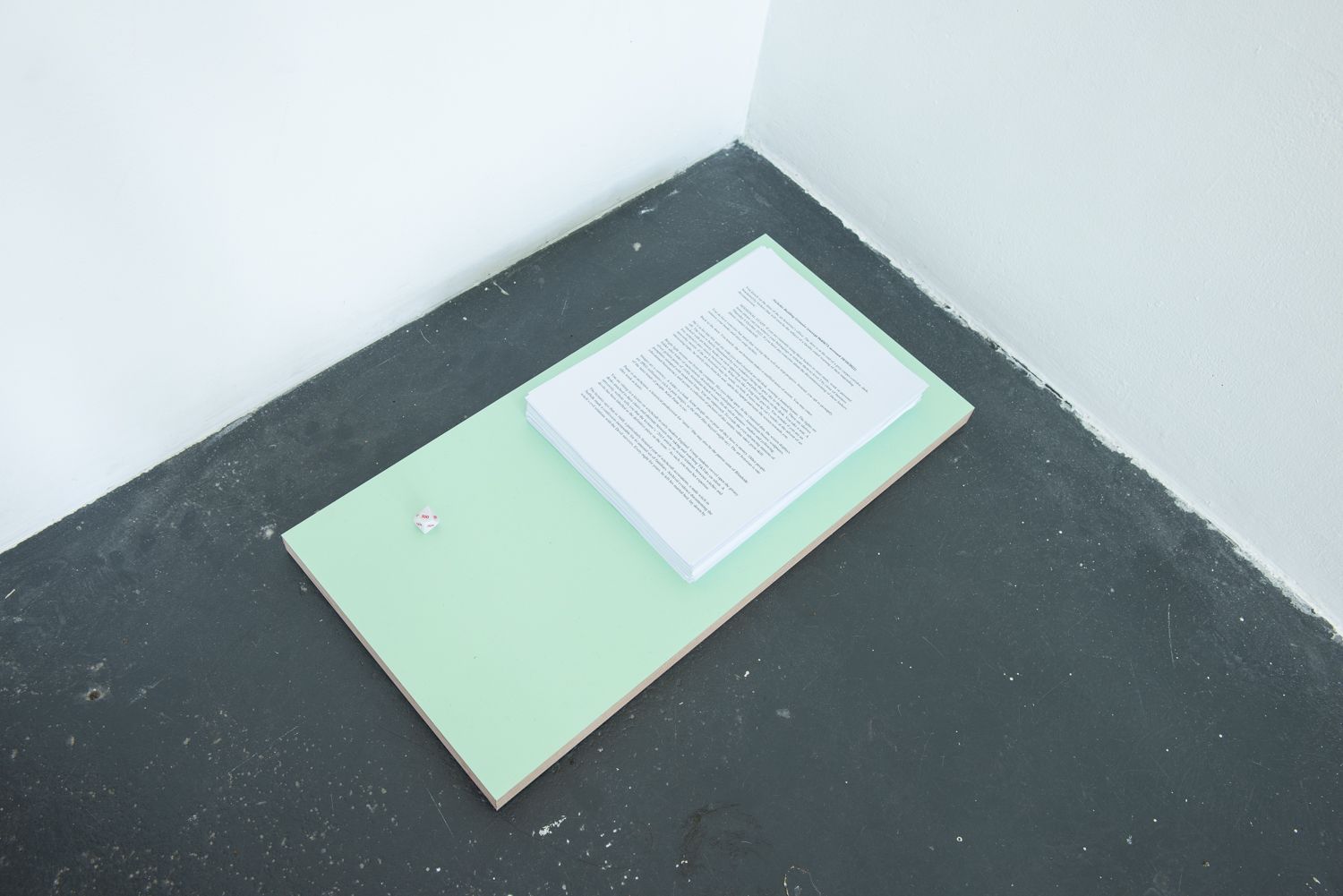
A sun-bleached lenticular print of the Virgin Mary is presented in a simple wooden case. Walk slowly around the Madonna in a circle; her movements fade, flicker, falter. An ocular scan seeks a spectral presence. A paragraph recording a thousand-year-old monk mirage overlays images of medical equipment.
In today’s secular society, the hospital has supposedly replaced the church as the site of authority. Meanwhile, the sterile rationalism of the neoliberal university attempts to eradicate non-value-producing entities—old lockers, the arts—with remarkable efficiency.
The artworks in Phantom Interlocutor stage oscillations between the ghoulish circumstances of now and the not-so-distant past. Paine brings gilded transcendental vitality into the world of linoleum corridors, medicinal filing cabinets and eye-bleed-inducing Zoom conferences. The scientific accompanies the arcane; works are bureaucratic yet transmit the un-KPI-able. That being said, Phantom Interlocuter meets my quarterly target for a good show.
Cameron Hurst, 11/10/2022
Cameron is a writer from Naarm/ Melbourne. She is a contributing editor of Memo Review, an editor of Index Journal, a co-host of the Clam & Jackie Bam show on Crawl Radio and teaches art history and cultural studies subjects at the University of Melbourne and Monash University (can you tell?).
This program takes place on the land of the Wurundjeri people of the Kulin Nation. We recognise that sovereignty was never ceded - this land is stolen land. We pay respects to Wurundjeri Elders, past, present and emerging, to the Elders from other communities and to any other Aboriginal or Torres Strait Islanders who might encounter or participate in the program.
Katie Paine is a Naarm-based artist and writer investigating semiotics, hauntology and the archive. She recently completed her MFA at the University of Melbourne, for which she was awarded a Graduate Research Scholarship, the Peter Redlich Memorial Art Prize and a Cranbourne Scholarship. She has exhibited at Lon Gallery, F.S. Meyer Gallery, CAVES, TCB, ACMI, c3 Contemporary Art Space, Kings ARI, La Trobe Art Institute, Blindside, George Paton Gallery, VOID Gallery, Irene Rose, SEVENTH Gallery and Bus Projects. She writes for publications such as Performance Review, Vault Magazine, Art + Australia, un Magazine, Running Dog, Runway Journal and Art Almanac alongside a variety of art galleries.
Cameron Hurst is a writer from Naarm/ Melbourne. She is a contributing editor of Memo Review, an editor of Index Journal, a co-host of the Clam & Jackie Bam show on Crawl Radio and teaches art history and cultural studies subjects at the University of Melbourne and Monash University.
The artist would like to thank Samuel Murnane, Kiron Robinson, Vikki McInnes, Cameron Hurst, Diego Ramirez, Sophia Cai, Edward Colless, Ryan Ward, HeeJoon Youn, Mark Friedlander, for their invaluable assistance with this project.
This exhibition is dedicated to the artist’s mother, Sally Bodenham.
This exhibition is supported by the Melbourne University Faculty Graduate Researcher Fund.